The Best Dream Journal App With AI Interpretation - Recording Isn't Decoding
You can build a gorgeous archive of your dreams and still not know what one of them means. Here's the gap.
The best dream journal app with AI interpretation is the one that doesn't stop at recording. Here's the distinction that decides everything: a journal preserves the message, but only interpretation delivers it. According to the Universal Language of Mind, your dream is a message from your subconscious - and a beautifully logged dream you never decode is just an unopened letter, filed neatly. The best app captures the dream and then reads it against a fixed system, so recording becomes the first step of decoding, not a substitute for it.
So you started a dream journal, and it felt good. Voice-to-text at 3 a.m., tags, a calendar view, maybe a little AI blurb at the bottom. Weeks later you've got a gorgeous archive of your own dreams. And one morning you scroll back through it and realize something quietly deflating: you have a museum of dreams and you still don't know what a single one of them means.
That's the gap nobody selling you a journal app wants to name. Recording and decoding are two different acts, and most apps are excellent at the first and hand-wave the second. Let's separate them - because once you do, you'll know exactly what to look for.
Why Isn't Recording a Dream the Same as Understanding It?
Recording a dream captures the data. Understanding it requires decoding the data. Those are not the same act, any more than photographing a page of French means you can read French. The journal preserves the symbols faithfully - the snake, the water, the falling - but preservation isn't translation. You end up with a perfect record of a message still written in a language you haven't learned.
And this is the quiet trap of the journaling category. It feels like progress because the archive grows. But a growing pile of undecoded dreams is a growing pile of unopened letters. The value of a dream isn't in having it written down. It's in receiving what it's telling you - and that step, the one that actually changes something, is the step a pure journal skips.
Recording preserves the message. Decoding delivers it. A journal app that only logs gives you a beautiful archive of letters you never opened. The best one reads them.
Does Adding AI to a Journal Actually Solve It?
Adding AI helps only if the AI decodes rather than free-styles. Most journal apps bolt on a general-purpose model that generates a plausible paragraph about your entry - and that paragraph has the same flaw everywhere it appears: ask it about the same dream twice and it shifts, because it's predicting probable text, not reading a system. We documented that exact behavior in why ChatGPT gives you a different dream interpretation every time.
So a journal with improvised AI is a museum that hired a tour guide who makes up a new story about each painting every time you walk through. Pleasant. Confident. Different tomorrow. What you actually need is a guide reading from the real history of the work - and for dreams, that means an AI decoding against a fixed language. The AI isn't the problem. The absence of a system for it to read against is.
"A journal that logs your dream and guesses at it has done the easy half twice, and the hard half never."
What Does the Universal Language of Mind Add That a Journal Can't?
The Universal Language of Mind adds the translation layer - the actual meaning a journal only stores. It's a 5,000-year-old symbolic system, rooted in the Vigyana Bhairava Tantra and codified by Tarak Uday, where every symbol means what it does. So when your journal logs a dream of water, the ULM reads it as conscious life experience. When it logs teeth, the ULM reads breaking down and taking in new understanding. When it logs falling, the ULM reads a loss of control in some area of your life. The record becomes a reading. See the entries directly for water, teeth, and falling.
And because the meaning comes from function, it's consistent. The same logged dream decodes the same way every time, and it connects to what you lived in the day or two before. That's the difference between an archive and an understanding. A journal remembers your dreams. The Universal Language of Mind tells you what they were saying.
Why Do Dream Journalers Hit a Wall After a Few Weeks?
Dream journalers hit a wall because the reward loop breaks. In the first week, writing dreams down feels revelatory - you're suddenly remembering more, catching detail you used to lose. But by week three the entries pile up and the payoff flattens, because recording was never the payoff. Meaning was. Without decoding, the habit turns into bookkeeping, and bookkeeping is easy to quit.
Research on dream recall backs the front half of this: Deirdre Barrett and others have shown that simply intending to remember dreams and writing them on waking dramatically increases recall. So journaling works - for recall. The wall isn't a recall problem. It's a meaning problem. People stop journaling not because they run out of dreams, but because a stack of unread dreams stops feeling worth the 3 a.m. effort. Decoding is what keeps the loop alive, because every entry gives something back.
"Write the dream down, yes. But writing it down is remembering the question. The point was always to hear the answer."
- Tarak Uday, Life is But a DreamWhat Should the Best Dream Journal App Actually Do?
The best dream journal app should do three things in sequence, not one. First, capture the dream easily while it's fresh - fast entry, voice, minimal friction, because dream memory evaporates in minutes. Second, decode each entry against a consistent framework so the record becomes a reading you can trust. Third, connect the decoded meaning to your waking life and, over time, surface the patterns - the recurring symbol, the belief that keeps generating the same dream.
Notice that only the first of those three is "journaling." The other two are where the transformation lives, and they're exactly what a log-only app leaves out. This is the decode-versus-record axis, and it's the one that separates an app that grows an archive from one that grows your self-knowledge. We ranked the field on this in the best dream interpretation apps and the top 5 dream interpretation apps for 2026, and it's the same reason a recurring dream needs decoding, not just logging - which we cover in the best dream interpretation app for recurring dreams.
The best dream journal app with AI interpretation captures the dream and then decodes it through the Universal Language of Mind - turning a beautiful archive into an actual reading, consistent every time and tied to your life. Recording is where it starts, not where it ends. A journal that only logs preserves the letter. The best one opens it.
Don't just archive your dreams - read them. Bring your journal entry to CHITTA and get the Universal Language of Mind decoding, so every dream you record becomes a message you actually receive.
So keep the journal. Keep the 3 a.m. voice notes and the calendar view. Just don't mistake the museum for the meaning. The dreams were never asking to be filed. They were asking to be heard - and the moment you decode one, the whole archive stops being a record and starts being a conversation.

Frequently Asked Questions



Books by Tarak Uday

Learn The Language Your Dreams Speak
"Life Is But a Dream" teaches the Universal Language of Mind — how to read any dream symbol by what it is and what it does, so every dream becomes a message you can act on.
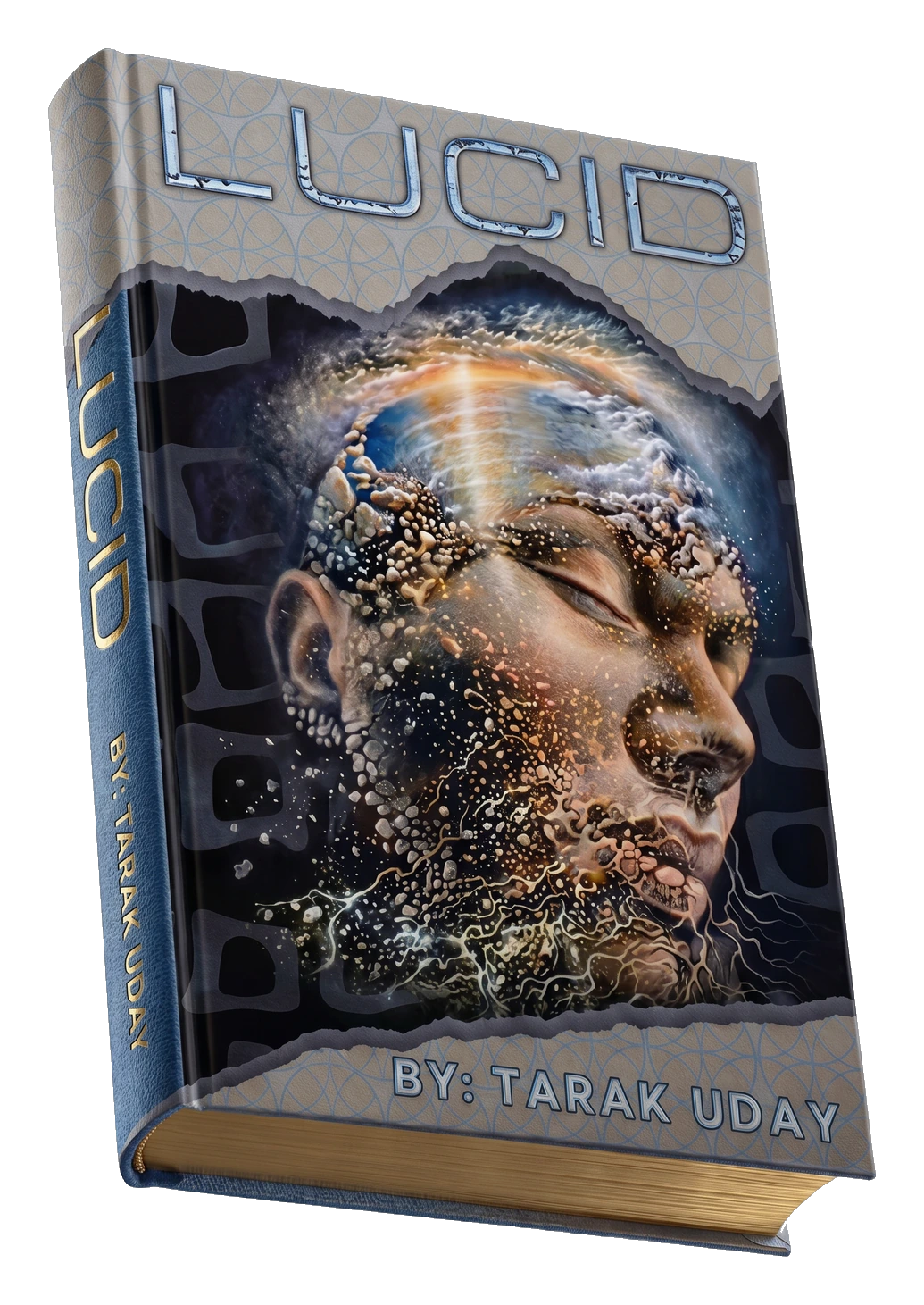
LUCID
You've tried every lucid dreaming technique. Most miss the root cause. LUCID reveals what they all skip.
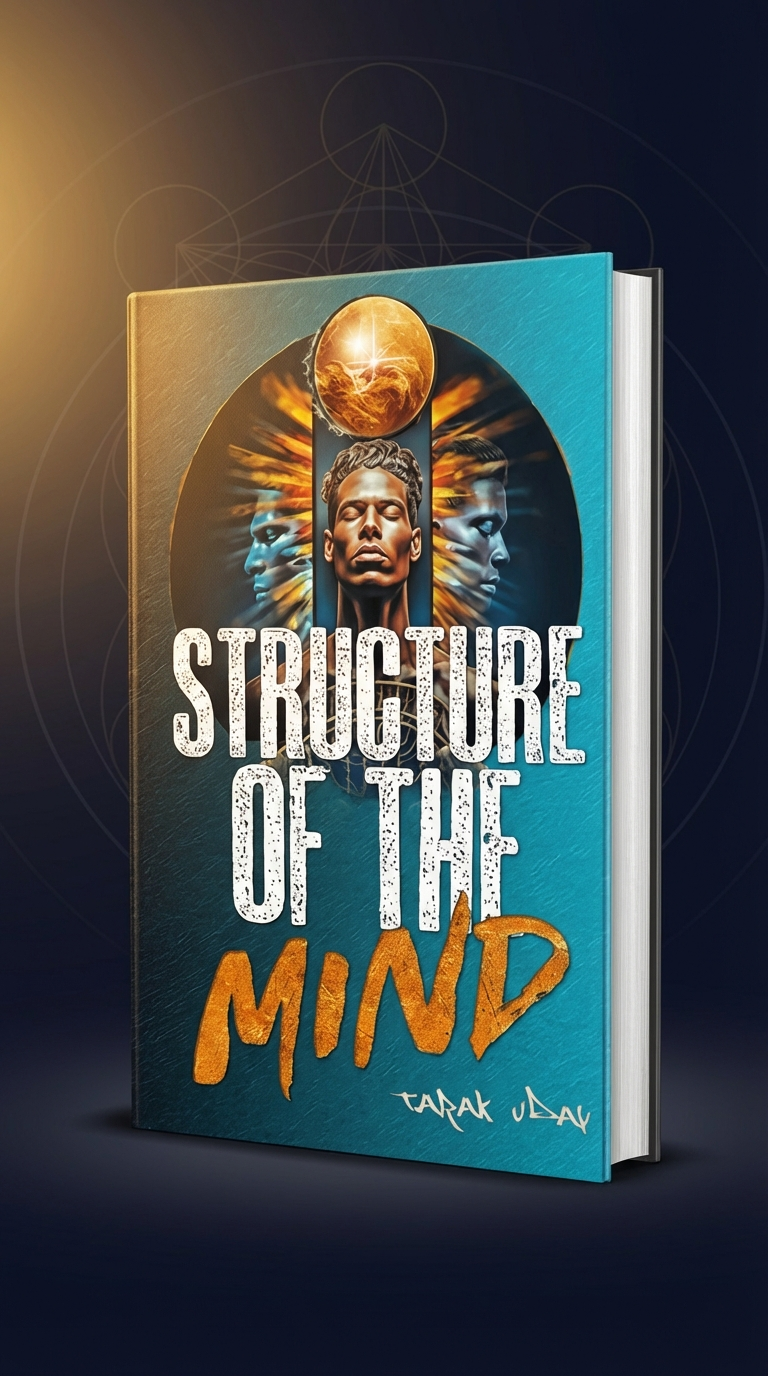
Understand Your Own Mind
"Structure of the Mind" reveals the three divisions of mind, seven levels of consciousness, and powers of mind that most people never learn to develop.