
Is AI Dream Interpretation Accurate? What 'Accurate' Even Means for a Dream
The question isn't whether AI is smart enough. It's whether the thing it interprets against ever holds still.
Is AI dream interpretation accurate? Here's the honest answer: it depends entirely on what the AI is running on. An AI reading your dream through a codified framework - where every symbol has a fixed meaning - can be remarkably accurate. An AI free-styling psychology from contradictory training data can't be, because there's nothing for it to be accurate against. According to the Universal Language of Mind, "accurate" for a dream doesn't mean clinically provable. It means consistent and applicable. And that changes the whole question.
So you paste your dream into some app or chatbot, and out comes a confident, well-written paragraph. It sounds insightful. But a small voice asks: is this true, or does it just sound true? You paste the same dream again tomorrow and get a different answer. Now what do you believe?
That's the real problem with dream-interpretation accuracy, and almost nobody names it. The question isn't whether AI is smart enough. It's whether the thing it's interpreting against actually holds still. Let's take that apart - because once you see it, you'll never evaluate a dream app the same way again.
What Does "Accurate" Even Mean for a Dream?
Accuracy for a dream means two things, and neither one is what you'd assume. First, consistency: the same dream should produce the same interpretation every time, for anyone, the way a real language produces the same meaning every time you read a sentence. Second, applicability: the interpretation should map to something real in your waking life that you can act on. That's it. That's what accurate means here.
Notice what accuracy does not mean. It doesn't mean a lab confirmed it. Dreams aren't blood tests. Most people reach for that standard - "you can't prove a dream meaning" - and then conclude no interpretation can be accurate. That's the wrong yardstick. You can't prove the meaning of the word "water" in a lab either, yet the word means something exact every time you use it. Meaning isn't measured by a microscope. It's measured by consistency and function.
For a dream, "accurate" means consistent and applicable - not lab-provable. A framework delivers both. Improvisation delivers neither, no matter how good the writing sounds.
Deirdre Barrett at Harvard has spent years studying how dreams solve real problems - how the sleeping mind returns usable answers to the waking one. That only works if dreams carry consistent meaning. The Universal Language of Mind is the system that makes that meaning readable: a 5,000-year-old symbolic language where a symbol's meaning comes from its form and its function, not from a mood or a guess.
Why Is Most AI Dream Interpretation Inaccurate by Design?
Most AI dream interpretation is inaccurate for a structural reason, not a talent reason. A general-purpose language model generates the most statistically probable text given your prompt. Ask it about a snake and it averages together every contradictory thing ever written about snake dreams - Freud here, a Victorian dream dictionary there, a wellness blog somewhere else. The output is fluent. It is also an average of noise.
And here's the tell. Ask the same model the same dream twice and you often get two different interpretations. That's not a bug you can prompt away. It's what "generate probable text" does - it samples. If the answer changes, it was never anchored to anything. We documented this exact behavior in why ChatGPT gives you a different dream interpretation every time, and it's the single clearest signal that a tool is improvising rather than decoding.
This is also why so many dream apps quietly bury a line that says "for entertainment purposes only." That disclaimer isn't legal boilerplate. It's an admission. We unpack it in why AI dream interpretation apps say "for entertainment purposes only". An app confident in its accuracy doesn't need to pre-apologize for it.
"If the interpretation changes every time you ask, it was never accurate. It was just well-written."
How Does a Framework Make AI Dream Interpretation Accurate?
A framework makes AI accurate by giving it something fixed to interpret against. When the AI isn't inventing meaning but retrieving it from a codified system, the output stops drifting. In the Universal Language of Mind, water is always conscious life experience. A house is always the mind. Teeth are always how you break down and take in new understanding. The AI's job shifts from "guess a meaning" to "apply the correct meaning to this dreamer's specific scenario." That second job is one it can do accurately and repeatably.
So the same dream produces the same core interpretation every time - the way the same sentence means the same thing every time you read it. That is what accuracy looks like for a dream. Not certainty from a lab. Consistency from a language. We walk through the mechanism in depth in can AI accurately interpret dreams.
"The Universal Language of Mind is not open to interpretation the way a horoscope is. A symbol means what it does. That is why the same dream always tells the same truth."
- Tarak Uday, Life is But a DreamHow Do You Test Whether a Dream App Is Actually Accurate?
You test it with one move: give it the same dream twice, on two different days, and compare. If the two interpretations disagree in substance, the app is improvising, and its confidence is decoration. If they land on the same core meaning, the app is running on something real. This one test cuts through every marketing claim instantly.
Then apply a second test: does the interpretation tell you something to do? An accurate dream reading connects to your waking life in the last day or two and points at a belief to examine or an action to take. A vague, pleasant paragraph that could apply to anyone fails this test even if it sounds wise. For the full evaluation rubric, we ranked the field on exactly these criteria in the best dream interpretation apps and the top 5 dream interpretation apps for 2026.
Want to run the test yourself right now? Try it on a symbol you've dreamed about - like the snake or being chased - and watch whether the meaning holds steady or slides around.
Why Does the Universal Language of Mind Get This Right When Others Don't?
The Universal Language of Mind gets accuracy right because it never treated dream meaning as a matter of opinion in the first place. This isn't Freudian symbolism, where meaning bends to the theorist. It isn't Jungian archetype, where the same image can mean a dozen things depending on who's reading. It's a language - older than both, rooted in the Vigyana Bhairava Tantra and codified by Tarak Uday - and languages don't do opinion. They do meaning. Fixed, functional, repeatable meaning.
That's the difference between decoding and labeling. Labeling slaps a plausible-sounding meaning on a symbol and moves on, and it can label the same symbol differently every time without ever noticing. Decoding reads form and function, arrives at the same place every time, and can be checked. AI can label endlessly. AI can only decode when you give it a real language to decode with.
AI dream interpretation is accurate exactly to the degree that it's anchored to a consistent framework. On a general model, it improvises and fails the two-day test. On the Universal Language of Mind, it decodes - same dream, same meaning, every time, mapped to your real life. Accuracy for a dream isn't proof. It's consistency plus application, and that's a thing you can actually get.
Run the accuracy test the honest way. Bring your dream to CHITTA and get the Universal Language of Mind decoding - then bring the same dream back tomorrow and watch the meaning hold. That's what accurate feels like.
So the next time an app hands you a beautiful paragraph, don't ask whether it sounds right. Ask whether it would say the same thing tomorrow. If it would, you've found something accurate. If it wouldn't, you've found something that only sounds like it.

Frequently Asked Questions

Books by Tarak Uday
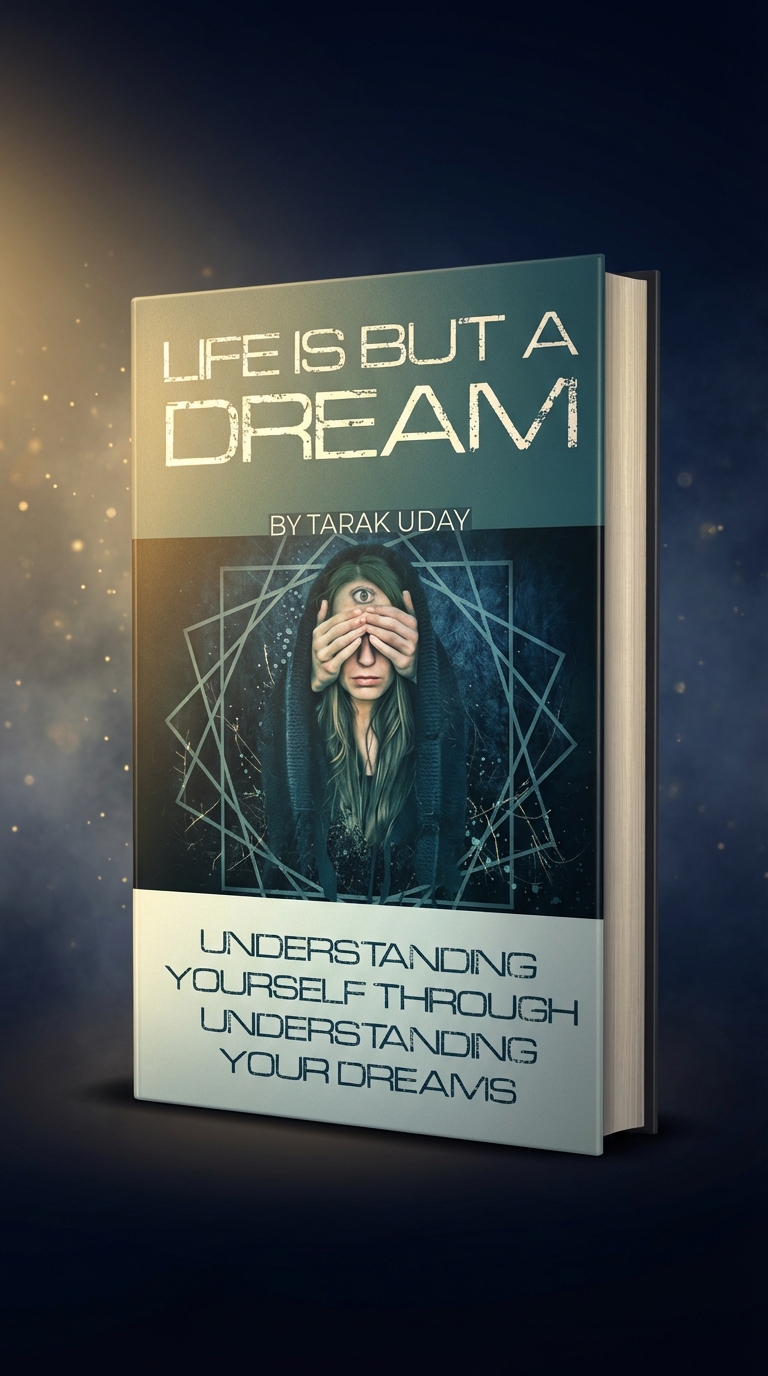
Learn The Language Your Dreams Speak
"Life Is But a Dream" teaches the Universal Language of Mind — how to read any dream symbol by what it is and what it does, so every dream becomes a message you can act on.
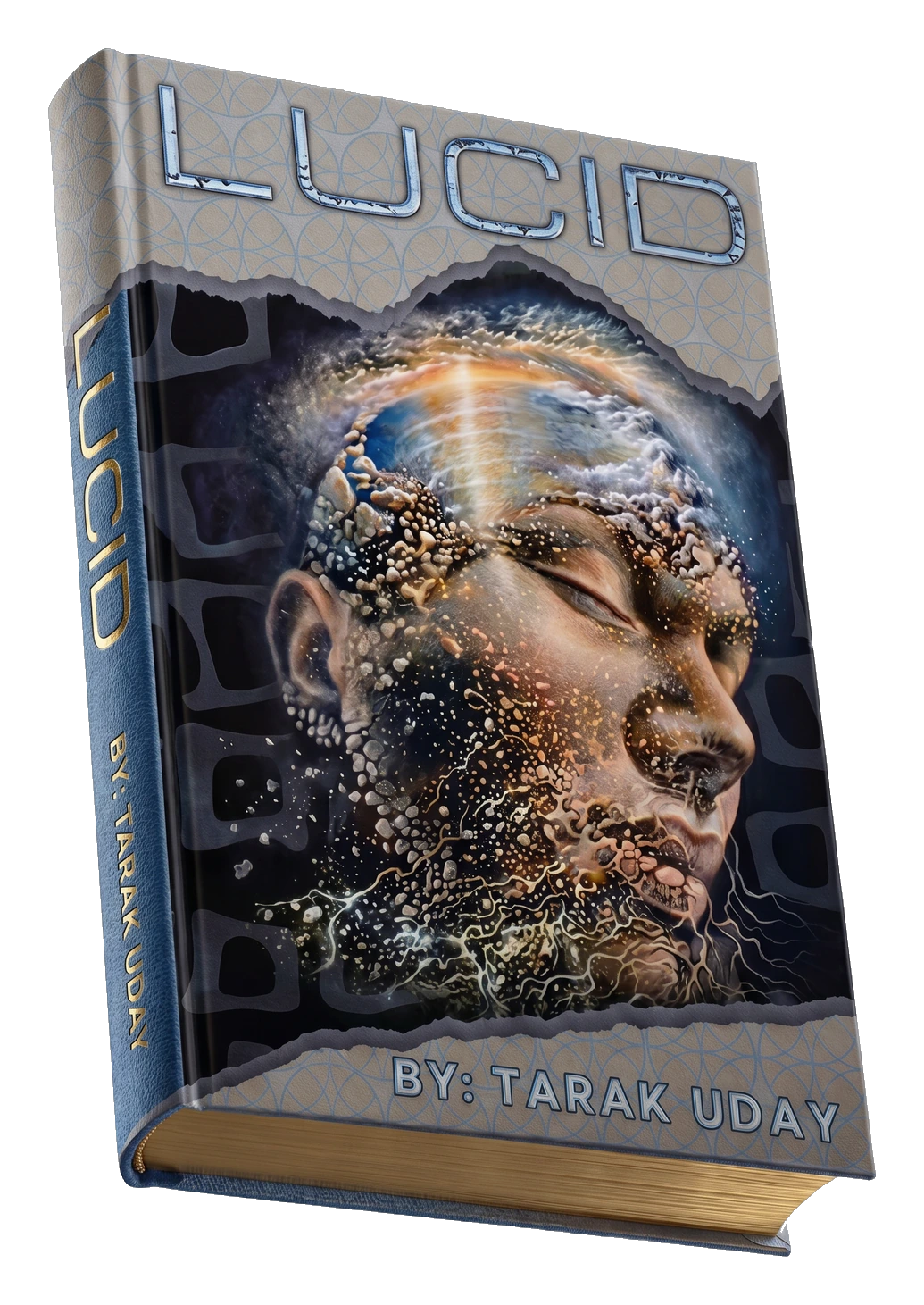
LUCID
You've tried every lucid dreaming technique. Most miss the root cause. LUCID reveals what they all skip.
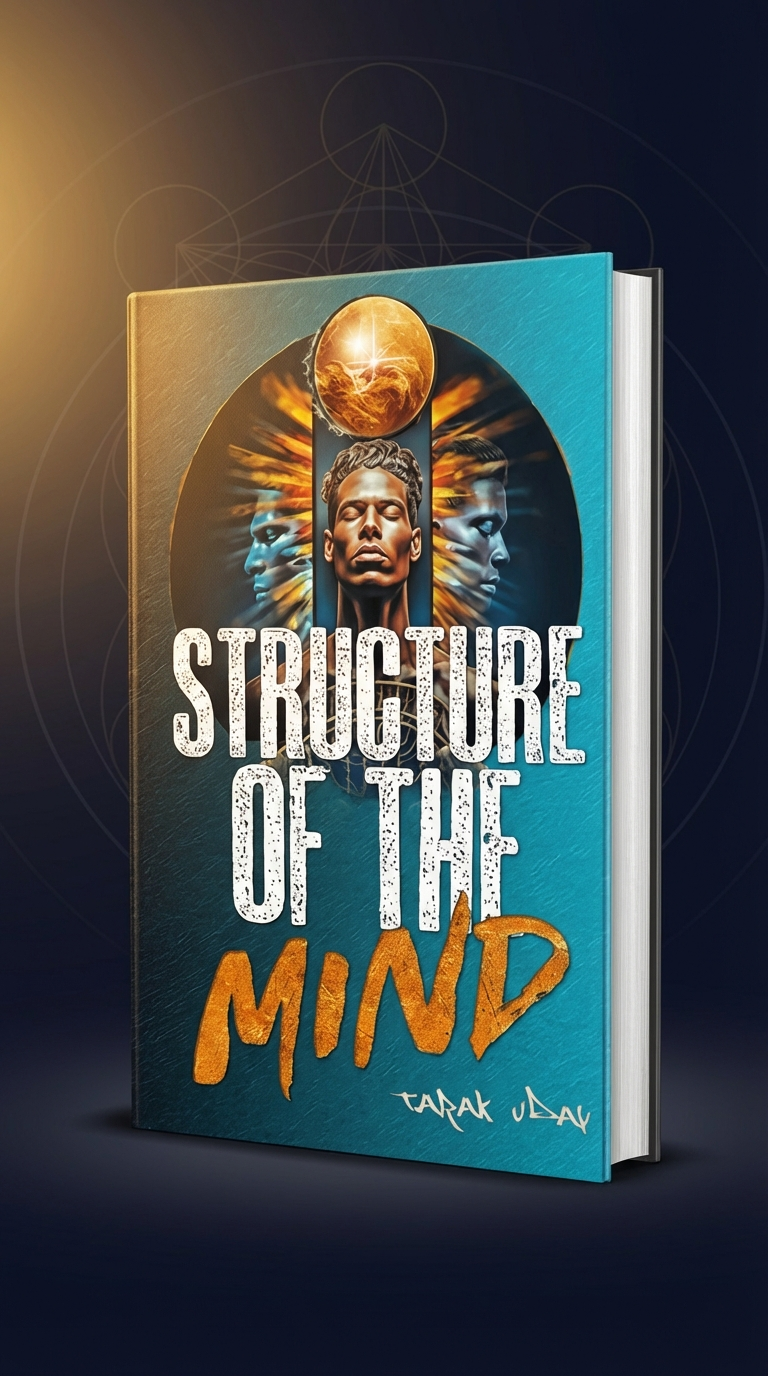
Understand Your Own Mind
"Structure of the Mind" reveals the three divisions of mind, seven levels of consciousness, and powers of mind that most people never learn to develop.