
The Law of Duality in Spirituality: Why Everything Has an Aggressive and a Receptive Side
Most people hear "duality" and picture a fight between light and dark. The law says something quieter: every whole has a half that gives and a half that receives, and most of us only ever use one of them.
The law of duality in spirituality is the principle that there are two halves to every whole. Everything has an aggressive quality and a receptive quality, a masculine side and a feminine side, and neither half is complete without the other. In the Universal Language of Mind, as Tarak Uday teaches it, the plainest example is the mind you are using right now. And the receptive half of it speaks to you every night, in your dreams.
You know the feeling. You push, plan, decide, push again. The to-do list never stops talking. Then someone asks what you actually want, and the answer doesn't come. You wait for it, and there's nothing there but more noise.
That isn't a lack of answers. It's a mind running on one half.
What is the law of duality in spirituality?
Start with the definition. There are two halves to every whole. Everything has an aggressive and a receptive quality: masculine and feminine, giving and receiving, sending and holding. The words aggressive and receptive aren't about temperament or gender in a social sense. They describe function. The aggressive quality acts, moves outward, initiates. The receptive quality receives, holds, gestates, and gives back in its own time.
This is the fifth of the 13 Universal Laws. If you want to see where it sits among the others, start with what the 13 Universal Laws are. The laws before it describe how a thought becomes a thing. This one describes the two hands doing the work.
In LUCID, Tarak Uday places the law right at the centre of the mind itself. He writes that "the conscious mind and subconscious mind are two halves to a whole," and then: "Through the Universal Law of Duality, the subconscious mind is the feminine, receptive mind, and the conscious mind is the masculine, aggressive mind."
So duality isn't a philosophy you hold about the world. It's the architecture you think with.
The law of duality doesn't split the world into sides. It shows you that every whole is made of a half that gives and a half that receives, and that nothing is created until both are working.
Why isn't the law of duality good versus evil?
Here's the version most people carry. Duality means opposites at war: light against dark, right against wrong, the higher self against the lower one. Spiritual growth, in that picture, means picking a side and defeating the other one.
It's a dramatic story, and it's aimed at the wrong place. The two halves of the law aren't enemies. A seed and soil aren't opposed. A question and its answer aren't fighting. One half sends, the other receives, and what they make together is something neither could make alone. Calling one half good and the other bad doesn't just misread the law. It makes you try to amputate half of your own mind.
Scripture, read as symbolic language rather than religious instruction, points at the whole rather than the war. In John 10:30, in the King James Version, the line is "I and my Father are one." Read through the Universal Language of Mind, two are named and one whole is declared. The same pattern runs through the law's other references: Tao Te Ching 2, where each quality arises together with its counterpart; Dhammapada 116; Bhagavad Gita 8:23-26; and, in E. H. Palmer's translation of the Quran, 51:49 and 53:45, which speak of creation in pairs.
So here's the correction. The law of duality isn't asking you to win. It's asking you to notice which half you've stopped using.
A seed and the soil aren't opposites. One gives, one receives, and only together does anything grow.
How do the two halves of your mind work together?
This is where the spiritual meaning becomes metaphysical mechanics.
The conscious mind is the aggressive half. You've watched it work. In LUCID, Tarak Uday describes how its thoughts "invade our mind whether we choose to think them or not." It reasons, decides, and reaches out into the physical world. Its aggressive duty is to create life experiences for us to learn from.
The subconscious mind is the receptive half. It's subtler, and it doesn't shout. The same passage gives the instruction most people skip: "You must create space within the mind in order to receive the thoughts of the subconscious mind." The conscious mind plants a seed thought; the subconscious mind receives it, holds it, and lets it build strength until it's born out into your physical life.
You can watch that handoff happen with a single desire. In LUCID's chapter on numbers, when a new thought gets enough attention it impresses into the mental level of the subconscious mind: "What was once only known to the conscious mind is now known to two minds. There is now a duality." That's the law at the moment of conception. One half sent. The other received.
The law reaches into consciousness itself, too. Tarak Uday writes: "through the Universal Law of Duality, consciousness is dual. You have the state of consciousness, and then you have the content of consciousness." Your state of mind is the room; the thoughts you entertain are what's inside it. Change the contents and the room changes with them.
Your dreams show you this split in plain sight. In the Universal Language of Mind, the men in a dream reflect aspects of the conscious mind and the women reflect aspects of the subconscious mind, whoever you are and however you identify. Dream of a woman trying to tell you something while a man keeps talking over her, and you're looking at a mind where the aggressive half has drowned out the receptive one. And the dream never tells you what she was trying to say. That part comes only when you make space for it.
What does the superconscious mind hold on each side?
The conscious and subconscious minds are two halves of one whole. The superconscious mind is whole within itself, and it carries its own dual nature.
Its aggressive quality is its duty: feeding lifeforce energy into the rest of the mind and body, through the breath. Every inhale is that half at work. Its receptive quality is its purpose: holding the blueprint for your existence, a blueprint you created yourself, which carries your soul purpose and your purpose in this lifetime.
Put those two together and you have the mechanical payoff of the whole law. One half of the highest part of you holds the plan. The other half supplies the energy to live it. Even your life purpose comes in two halves in this teaching: karma and dharma.
Here's what that means in practice. When you feel drained and directionless at the same time, you aren't broken. Both halves of the superconscious mind are still doing their work. What's missing is a conscious mind quiet enough to receive the blueprint and a breath full enough to carry the energy. You can't force either one. You make room, and you breathe.
That's why the harmonising practice for this law isn't more effort. It's a still mind. Watch your thoughts without causing them. Observe your breath without causing it. Then spend five to ten minutes speaking to your Real Self, and five to ten minutes listening. The speaking is the aggressive half. The listening is the receptive half. Most people have done the first a thousand times and the second almost never.
How does CHITTA accelerate the law of duality?
By now the practice is clear. The gap is that the receptive half is quiet by nature, and a quiet half is the easiest thing in the world to skip. You can't measure your listening if you never write any of it down.
Tarak Uday takes this further in Structure of the Mind, his map of the three divisions of mind and the powers of attention, memory and imagination.
That's what the Long Breath practice and its session log in CHITTA are for. The Long Breath is the simplest way into the superconscious mind's aggressive quality: longer, slower, deeper breathing, five minutes a day, each session a little longer than the last. CHITTA logs every session, dated, so you can see the breath lengthening over weeks rather than guessing at it.
Then the dream journal catches the other half. You log what you dream when you wake, and the decoding reads each symbol through the Universal Language of Mind, by form and function, so you can see which half of your mind showed up. A month of entries shows a pattern no single night can: whether the women in your dreams are being heard, whether the men keep interrupting, whether the number two keeps appearing as a new desire takes root.
One night is a snapshot. Thirty nights, beside thirty Long Breath sessions, are a record of both halves at work.
The receptive half is already speaking to you. Start your Long Breath log and your dream journal tonight.
The Structure of the Mind lessons are being turned on shortly, and they're the natural next step once you've watched both halves on the page.
What else do people ask about the law of duality?
What is the law of duality in simple terms?
There are two halves to every whole. Everything has an aggressive quality and a receptive quality, a masculine side and a feminine side. In the Universal Language of Mind, as Tarak Uday teaches it, the clearest example is your own mind: the conscious mind is the aggressive half, the subconscious mind is the receptive half, and together they create a whole.
Is the law of duality about good versus evil?
No. The two halves of the law of duality are not opposites at war. One gives, the other receives, and neither is complete alone. Calling one half good and the other bad misses the law entirely, because a whole needs both of them working together.
How do I practise the law of duality?
Still the mind. Watch your thoughts without causing them and observe your breath without causing it. Then spend five to ten minutes speaking to your Real Self, and five to ten minutes listening. Write down whatever comes. The speaking is the aggressive half; the listening is the receptive half.
So tonight's act is simple. Spend five minutes speaking to your Real Self, then five minutes listening, and write what came. Whatever you write is only half of the answer. The other half usually shows up in the dream that follows.
Tarak Uday teaches the Universal Language of Mind and the Structure of the Mind, the framework behind CHITTA's practices. His books, including LUCID and Life is But a Dream, are on the CHITTA books page.

Frequently Asked Questions



Books by Tarak Uday
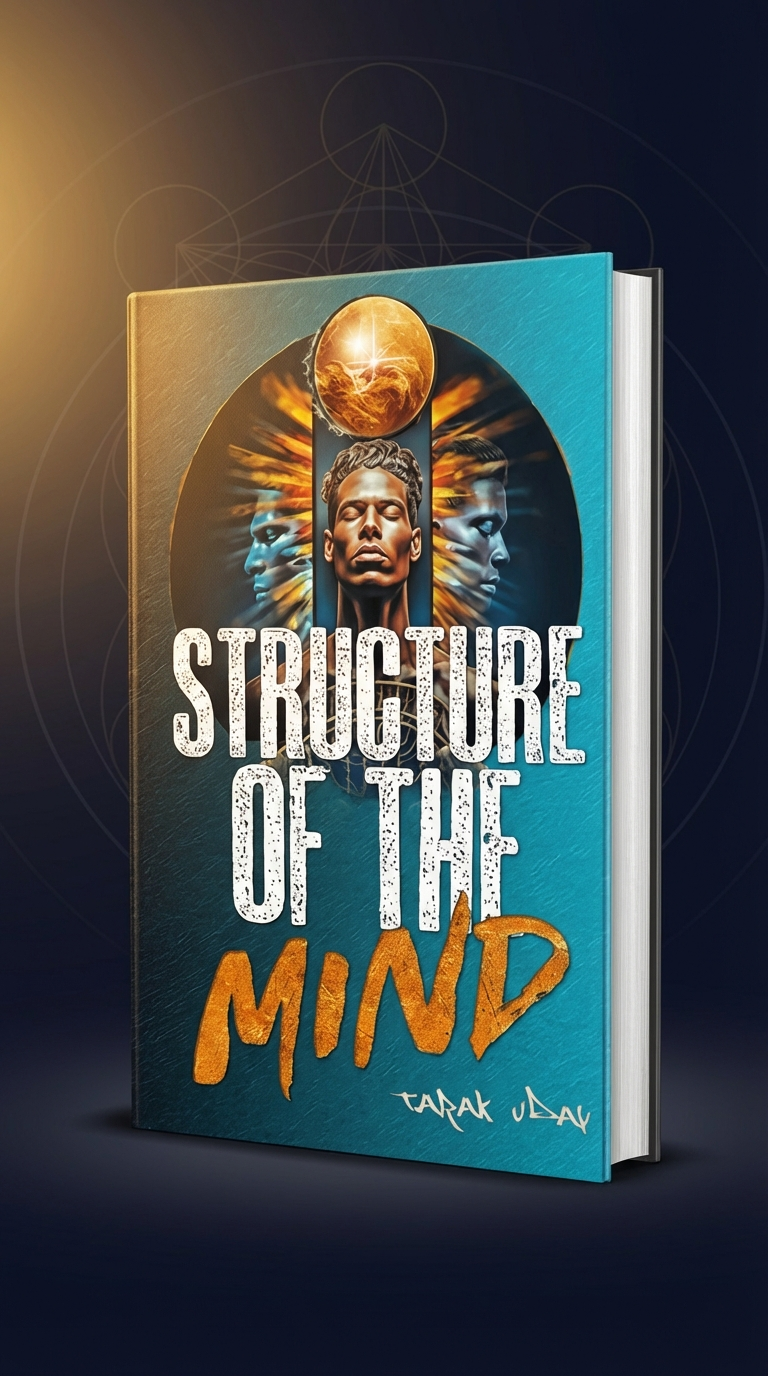
Understand Your Own Mind
"Structure of the Mind" reveals the three divisions of mind, seven levels of consciousness, and powers of mind that most people never learn to develop.

Learn The Language Your Dreams Speak
"Life Is But a Dream" teaches the Universal Language of Mind — how to read any dream symbol by what it is and what it does, so every dream becomes a message you can act on.
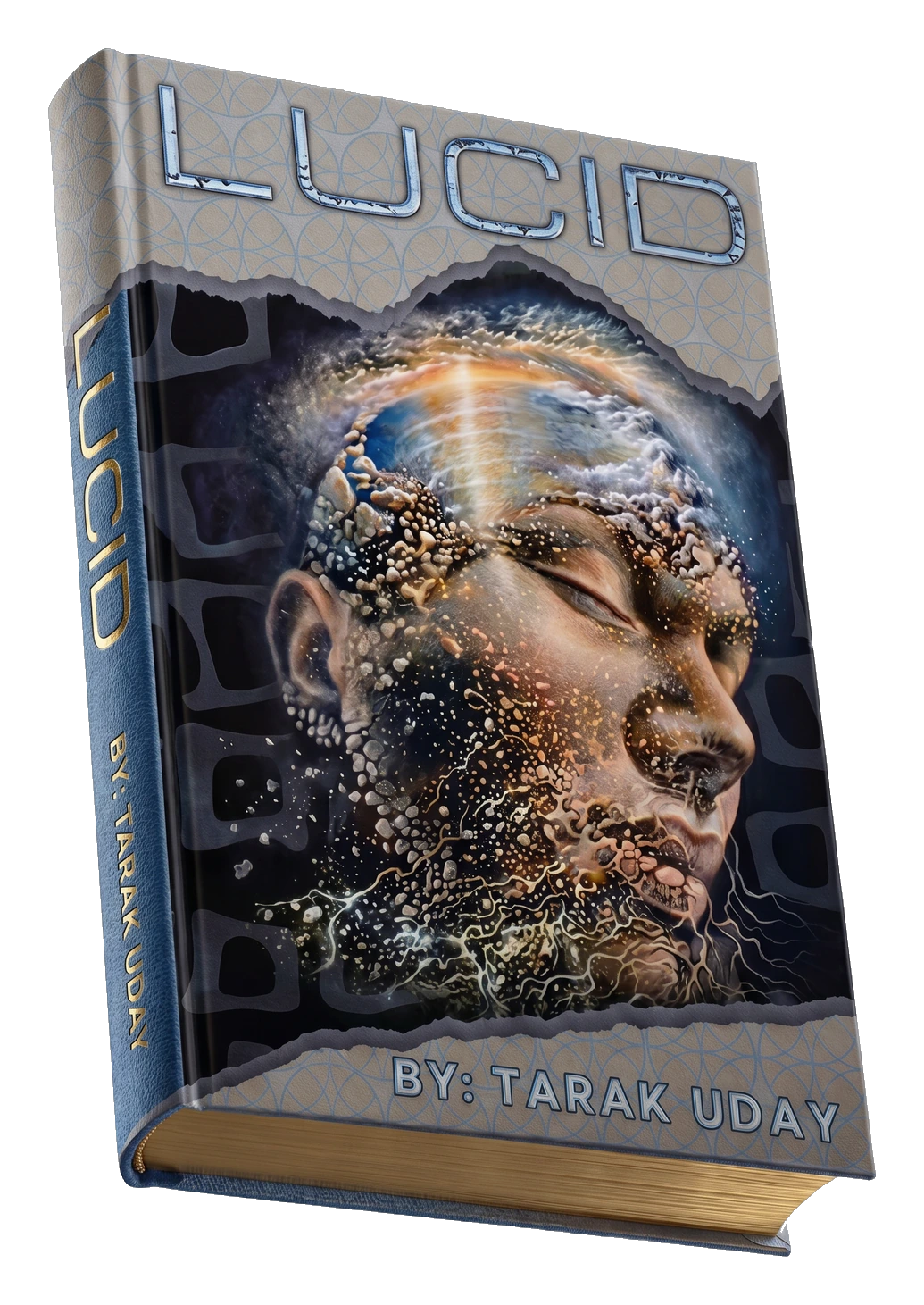
LUCID
You've tried every lucid dreaming technique. Most miss the root cause. LUCID reveals what they all skip.