
The Law of Believing and Knowing: Why Belief Isn't Enough
You meant every word of it, and an ordinary Tuesday still found you acting like the person you were before. You believed it. You didn't know it yet.


The Law of Believing and Knowing says that the more you think a thought, the more you believe it; the more you believe, the more you experience; and the more you experience, the more you know. Belief is the middle of that chain, not the end of it. You've probably felt the gap yourself. You told yourself you were confident, disciplined, done with the old pattern, and you meant it, and then an ordinary Tuesday arrived and you acted exactly like the person you were before. You believed it. You didn't know it yet. In the Universal Language of the Mind, as Tarak Uday teaches it, that gap has a mechanism, and your subconscious mind reports on it every night. So before going further, bring back the last dream you remember.
What Is the Law of Believing and Knowing?
Most people hear the word belief and assume the instruction is to believe harder. Squeeze your eyes shut, want it more, push the doubt down. So they try that, and they get tired, and nothing moves.
The law asks for something far more ordinary. A belief is a thought you keep thinking. That's all it is. Not a feeling you summon, not a conviction you're born with. A thought, repeated until it stops feeling like a thought and starts feeling like the way things are.
So the law runs as a chain with three links. The more you think, the more you believe. The more you believe, the more you experience. The more you experience, the more you know. Each link feeds the next, and you can't skip one.
It is the second of the thirteen Universal Laws, and it stands right behind the first for a reason. If thought is cause, this law tells you which thoughts get to be causes. In Structure of the Mind, Tarak Uday gives it both of its names: “This is the Universal Law of Believing and Knowing, which is also known as the Universal Law of Manifestation.” If you want to see where it sits among the others, the 13 Universal Laws lays out the full set.
Why Isn't Belief Enough?
Because belief can be argued with. Knowing can't.
Tarak gives a simple picture of this in Structure of the Mind. He could call you right now and tell you it's raining where he is, and you'd likely believe him. His neighbor could call at the same moment and say it's sunny, not a cloud in sight. Now you're stuck deciding who to believe. But if you were sitting next to him, and you stepped outside and felt the raindrops on your face, nobody could talk you out of it.
That one sentence is the whole law in miniature. And it explains the Tuesday. You had the thought. You had repeated it enough to believe it. What you didn't have yet was the experience of being that person, so the first voice that argued the other way, usually your own, had an even chance of winning.
One experience rarely does it, either. Tarak's example is a person who wants to become responsible. A month of paying every bill before it's due is a real experience, maybe one they've never had. It strengthens the belief a great deal. It doesn't make them a responsible individual yet. In the book's example it takes six or seven months of created experiences before that strong belief crosses the threshold into knowing. As he writes: “Each experience will be strengthening your belief but it will take a number of experiences to truly know that it is true.”
This is why the same book opens with a strange request from its own author: “Please do not believe a single word that you read within this book.” He's asking you to be a scientist. Run the experiment, gather your own data. In his words, “This is how you transform belief into knowledge.”
Which leaves a question no article can answer for you. Of everything you say you believe, how much has an experience standing under it?
How Does a Belief Become a Manifestation?
Here is the mechanics, and it comes down to what each division of the mind is for.
The conscious mind and the subconscious mind are two halves of one whole, and each has a duty. The aggressive duty of the conscious mind is to create life experiences for you to learn from. The subconscious mind has the receiving half of the job. Tarak states it in one line: “The duty of the subconscious mind is to manifest the desires of the conscious mind.”
Now look at what the subconscious mind is actually handed. Thousands of seed thoughts land in it every day. Over weeks and months that's hundreds of thousands. It can't manifest all of them, so it chooses. And it chooses by two measures: quantity and quality. How often did you think this thought? How fully formed was it when you did?
A thought you think once is one seed among thousands. A thought you keep thinking is a belief, and a belief is a standing order.
Sit with what that means for the beliefs you never chose. “I'm bad with money.” “People leave.” “I always quit.” Each of those is a thought you kept thinking until your subconscious mind did its duty and delivered the experience. Then the experience arrived and you said, see, I knew it. And you did. The law had run its whole length. It works exactly as well on an unproductive belief as on a productive one.
So the work isn't deleting the old thought. You can't un-think a thing. The work is to think the new thought more than the old one, which is why a limiting belief gets demoted rather than removed. It is also why a mantra is repeated rather than said once. Tarak's working rule is blunt: a thousand repetitions a day does the job roughly ten times faster than a hundred. Quantity is one of the two measures, and you control it.
Quality is the other, and it's less obvious. The subconscious mind doesn't process words. It processes images. A sentence you mumble and an image you step inside with every inner sense are not the same seed.
What Do the Scriptures Say About Believing and Knowing?
The same chain shows up in the world's sacred texts once you read them as symbolic language. This is a reading through the lens of the Universal Language of the Mind, a way of decoding images, not religious instruction, and it takes nothing away from how any tradition holds its own scripture.
Matthew 21:22, in the King James Version, reads: “And all things, whatsoever ye shall ask in prayer, believing, ye shall receive.” Look at the order. Asking is the thought. Believing is the thought kept. Receiving is the experience. The verse is the law's first two links in a single sentence.
Tao Te Ching 64 teaches that great things are handled while they are still small, and that the longest journey begins under your own feet. That's the third link: knowing is built one experience at a time, and the first one is always small.
Dhammapada 313 says that if a thing is to be done, it should be done with vigor, because a careless effort only scatters more dust. That is quantity and quality, the two measures the subconscious mind chooses by.
Bhagavad Gita 17:3 says that a person is made of their faith, and whatever their faith is, that is what they are. The more you believe, the more you experience. And Quran 49:15 describes the believers as those who believe and then do not doubt, and who strive. Belief first, and then the doing that turns it into something more.
How Does CHITTA Accelerate the Move From Believing to Knowing?
The law leaves you with two jobs you can't do in your head. You have to think the chosen thought more often than the old one, in images rather than words. And you have to collect experiences, because experience is the only thing that turns the belief into knowing. Left to memory, both dissolve by Thursday.
Tarak Uday takes this further in Structure of the Mind, his map of the three divisions of mind and the powers of attention, memory and imagination.
The Top 10 Most Wanted visualization is built for exactly those two jobs. You write the ten desires you want most and rank them from one to ten. Every morning and every night you read the list, close your eyes, and step into each one with all the senses of your inner mind: see it, hear it, feel it. That is a thought you keep thinking, twice a day, at full quality.
Then comes the part most people miss. In LUCID, Tarak teaches that the list should hold at least one or two desires that can manifest within two or three weeks, and that the big ones get broken into first steps. He calls the result success consciousness. Every small desire you cross off is an experience, and each experience moves you from believing your thoughts create your reality toward knowing it.
In CHITTA the list sits beside the dream journal and the interpretation engine, and that pairing matters. Your list says what you're choosing to think. Your dreams, decoded in the Universal Language of the Mind, show what you're actually holding. When the two disagree, you've found the old belief still running underneath the new one. What was a vague sense of being stuck becomes something you can read.
Which Ten Beliefs Will You Write Down Tonight?
Not something to believe. An experiment to run.
Tonight, take a pen and paper and list ten beliefs. Whatever comes first. About money, about your body, about love, about what you're capable of, about how life works. Don't polish them. The honest ones tend to be short and a little embarrassing.
Then go down the list and mark each one. Productive or unproductive. A productive belief is one whose experience you'd want more of. An unproductive belief is one you keep paying for.
If you have the energy, add one line under each: the experience that supports it. Some will have a dozen. Some will have none at all, and those are only beliefs. Tarak's full version of this practice is a list of a hundred, with the thoughts that feed each belief and the situations that trigger them. Ten is where it starts.
Don't try to fix anything tonight. Just look at the marks. You're reading a list of the thoughts you've kept thinking.
This article can tell you how a belief becomes knowing. It can't tell you which of your ten are standing on experience and which are standing on nothing but repetition, or which one your subconscious mind is busy manifesting right now. Only the list can, and after it, the dream that follows.
Frequently Asked Questions



Books by Tarak Uday
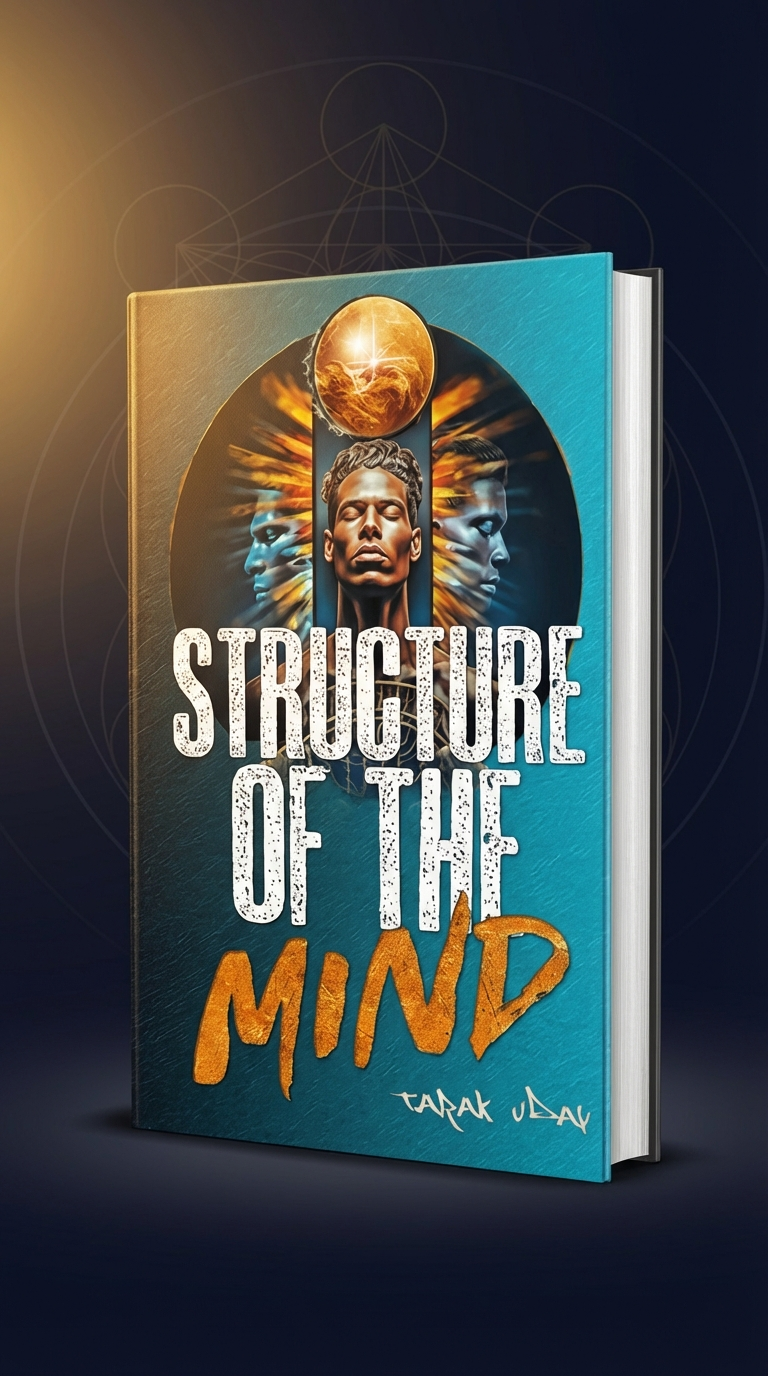
Understand Your Own Mind
"Structure of the Mind" reveals the three divisions of mind, seven levels of consciousness, and powers of mind that most people never learn to develop.

Learn The Language Your Dreams Speak
"Life Is But a Dream" teaches the Universal Language of the Mind — how to read any dream symbol by what it is and what it does, so every dream becomes a message you can act on.
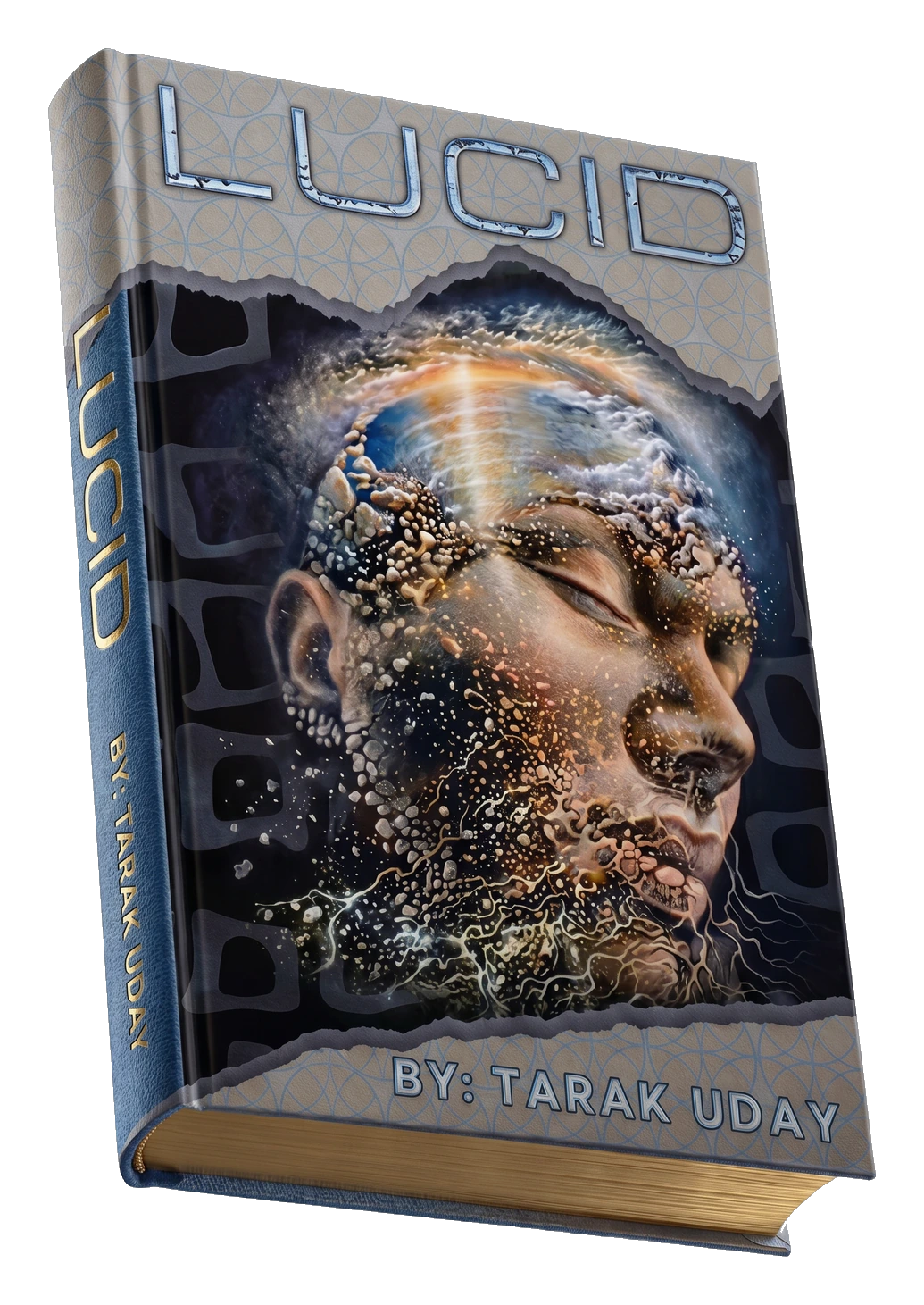
LUCID
You've tried every lucid dreaming technique. Most miss the root cause. LUCID reveals what they all skip.