
The Mind Is Not the Brain — Your Dreams Are the Proof
You have run the experiment thousands of times without noticing it was one. Here is what your own dreams already settled.
The mind is not the brain. The brain is a physical organ — hardware that processes sensory signals, runs the nervous system, and coordinates the body. The mind is the intelligence that directs it. The proof is something you have personally experienced thousands of times: in a vivid dream your eyes are shut, your ears are on a pillow, your body is still, and you experience anyway.
So the standard line is that the mind is simply what the brain does. Consciousness as exhaust. Thought as a byproduct of neurons firing, the way heat is a byproduct of an engine. It's stated confidently, it's repeated everywhere, and it has a problem it never addresses: it cannot account for the eight hours a night when the hardware's sensory inputs are offline and the experiencing continues anyway.
What Is the Brain Actually Doing, If It Isn't Thinking?
It's processing. That's not a downgrade — the brain is extraordinarily sophisticated biological machinery. But processing and thinking are two different operations, and collapsing them is where the whole confusion starts.
Walk into an unfamiliar room. Your eyes send data. Your ears send data. Your skin registers the temperature. All of that is the brain doing its job — converting physical stimulus into signal. Then something decides the room feels wrong, or that you've been here before, or that you should sit near the door. That evaluation is not more data. It's interpretation of data, and interpretation requires an interpreter.
So the relationship isn't mysterious. It's the relationship between an instrument and the one playing it. The brain is the hardware your mind uses inside physical reality. And the moment you hold that distinction, a practical door opens: you stop treating your mental life as a fixed biological inheritance and start treating it as something with a structure you can learn and train.
Why Is a Dream the Cleanest Proof You Own?
Because a dream is the one nightly experiment where the hardware is demonstrably out of the loop and the experience keeps running.
Think about what actually happens. You saw things — but your eyes were closed and pointed at nothing. You heard things — but the room was silent. You felt textures, temperature, the weight of your own body running, falling, being held. You had emotional responses so real they were still in your chest when the alarm went off. Every one of those sensory channels was offline at the hardware level. And you experienced anyway.
This is the argument Tarak Uday builds the Universal Language of Mind on, and its strength is that it isn't a claim you have to accept on authority. It's a report from your own life. You have run this experiment thousands of times without noticing it was one.
In the Universal Language of Mind, dreams are not brain static or nightly chemical housekeeping. They're real experiences occurring in the inner levels of the subconscious mind, perceived through the inner senses of the astral body — inner sight, inner hearing, inner touch. The imagery isn't random. It's the thought images currently moving through you toward manifestation in waking life. Which is a very different proposition from "your neurons are defragmenting."
You already ran the experiment. Now read the results.
Log last night's dream and decode it through the Universal Language of Mind — that's the mind reporting on itself in its own language.
Decode Your Dream Now →If the Mind Isn't in the Brain, Where Does It Operate?
In a structure. And the structure is the part almost nobody is handed, which is why "the mind" stays a vague word for most people their entire lives.
The mind has three divisions. The conscious mind operates in physical reality — it's the one you're using to read this, the one that reasons, decides, and engages the outer world through the body. The subconscious mind operates a dimension deeper. It's receptive where the conscious mind is aggressive, and its duty is to take the seed thoughts the conscious mind sends down and grow them into physical circumstance. The superconscious mind holds the blueprint — the design of what this life is for, and the lifeforce that keeps feeding toward it.
Inside those three divisions sit seven levels. The physical level is the only one in the conscious mind. The subconscious holds four: the emotional level, the lower astral, the upper astral, and the mental level, where thought is first formed inside the inner landscape. The superconscious holds the last two.
So when you dream, you aren't hallucinating — you're located somewhere. The color of the dream even tells you where. Black-and-white dreams come from the emotional level. Ordinary color is the lower astral, where most people spend most nights. Vivid, impossible color is the upper astral. And that rare, nearly colorless brightness is the mental level. Your dreams have an altitude, and altitude is not a property brain noise has.
So Who Is the One Watching All of It?
Here's where this stops being philosophy and starts being personal.
You are not your body. And — this is the part that surprises people who came here to defend the mind against the brain — you are not your mind either. The body, the soul, and the spirit are vehicles. The conscious, subconscious, and superconscious minds are tools. All of them are instruments used by the thing that is actually you: your consciousness, the intelligent awareness doing the using.
Your own language already knows this. You say "my hand" and you understand instantly that you are not the hand — the hand belongs to you. You say "my mind" with exactly the same grammar and never notice you just admitted the same thing. The possessive marks a separation between the possessor and the possessed, at every level, all the way down.

Bindu says: "You say 'my mind' a dozen times a day. Sit with the word 'my' for ten seconds and tell me who is speaking."
And this changes the relationship you have with your own thoughts, moods, and dreams. They stop being weather that happens to you and become readings from instruments that belong to you. A thought is not a verdict about who you are. It's an output you can examine, and — once you know the structure it came through — locate.
How CHITTA Accelerates This — What Turns the Proof Into a Practice?
Here's the gap. You now have a proof you can't do anything with. Knowing the mind is a structured instrument is worth very little if the only time you observe that instrument directly is in dreams you forget within ninety seconds of standing up.
That's the specific problem the CHITTA dream journal solves. It converts the nightly proof into a dated record — the one thing memory cannot supply, because memory revises and flattens. Six weeks of entries is an actual dataset about your own mind, in your own handwriting, refusing to be edited by whatever mood you're in today.
The interpretation engine reads those entries through the Universal Language of Mind rather than through internet symbol lists, so a house comes back as your state of mind, water comes back as your conscious life experience, and animals come back as habitual thought patterns — form and function, not folklore. And the symbol dictionary is where you verify the reasoning yourself, which is what turns you from someone receiving interpretations into someone who can read the language.
The acceleration is straightforward. Without an instrument, "the mind is not the brain" is a nice idea you agreed with once. With one, it becomes a thing you observe on a Tuesday — a specific dream, at a specific level, showing a specific thought moving toward your waking life. Start tonight: log the dream before you stand up, and decode it.
Turn the idea into a record.
One dream, logged and decoded, is worth more than a year of agreeing with the theory.
Decode Your Dream Now →What Else Do People Ask About the Mind and the Brain?
What is the difference between the mind and the brain?
The brain is a physical organ that processes sensory signals and runs the body. The mind is the intelligence that directs the brain and interprets what it receives. The brain receives data; the mind decides what the data means. They are different in kind, not just in degree.
How do dreams prove the mind is not the brain?
In a vivid dream you see, hear, and feel while your eyes are closed, your ears are on a pillow, and your body is still. The brain's sensory inputs are offline, yet experience continues. Something is doing the experiencing that is not dependent on the physical hardware.
What are the three divisions of mind?
The conscious mind, which operates in physical reality and reasons; the subconscious mind, which is receptive and grows the seed thoughts it receives into circumstance; and the superconscious mind, which holds the blueprint for your life and supplies lifeforce toward it.
Does the Universal Language of Mind say dreams have meaning?
Yes, and specific meaning. In the Universal Language of Mind dream images are read by form and function rather than by cultural symbolism — a house is your state of mind, water is conscious life experience, animals are habitual thoughts. The imagery reports what is currently moving toward manifestation.
Tarak Uday is the founder of CHITTA and the author of Structure of the Mind and Life is But a Dream, which lay out the Universal Language of Mind used throughout this article. For the mechanics that follow from this one, see how to read your practice in your dreams and what vivid dreams are actually reporting.

Frequently Asked Questions


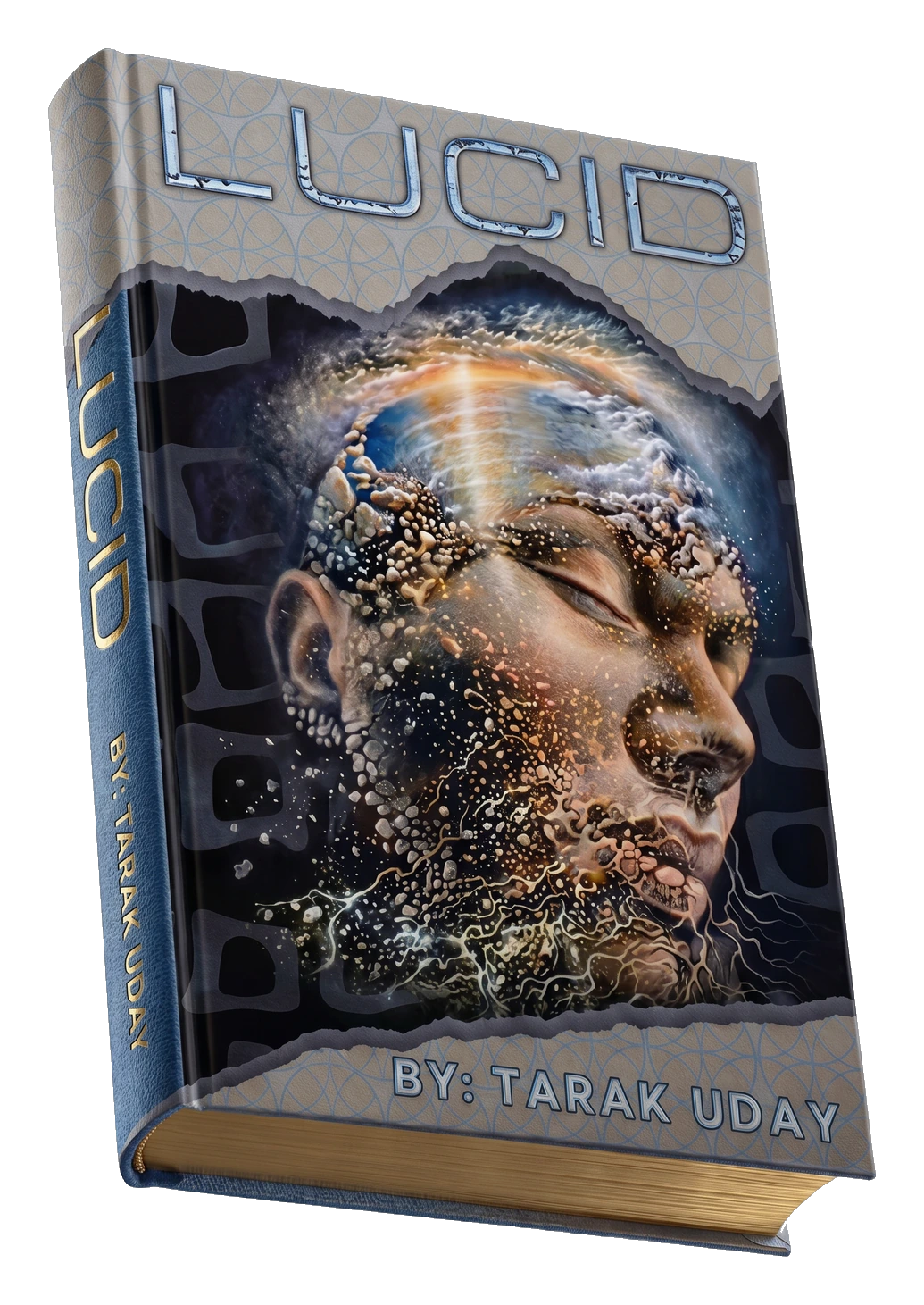
LUCID
You've tried every lucid dreaming technique. Most miss the root cause. LUCID reveals what they all skip.
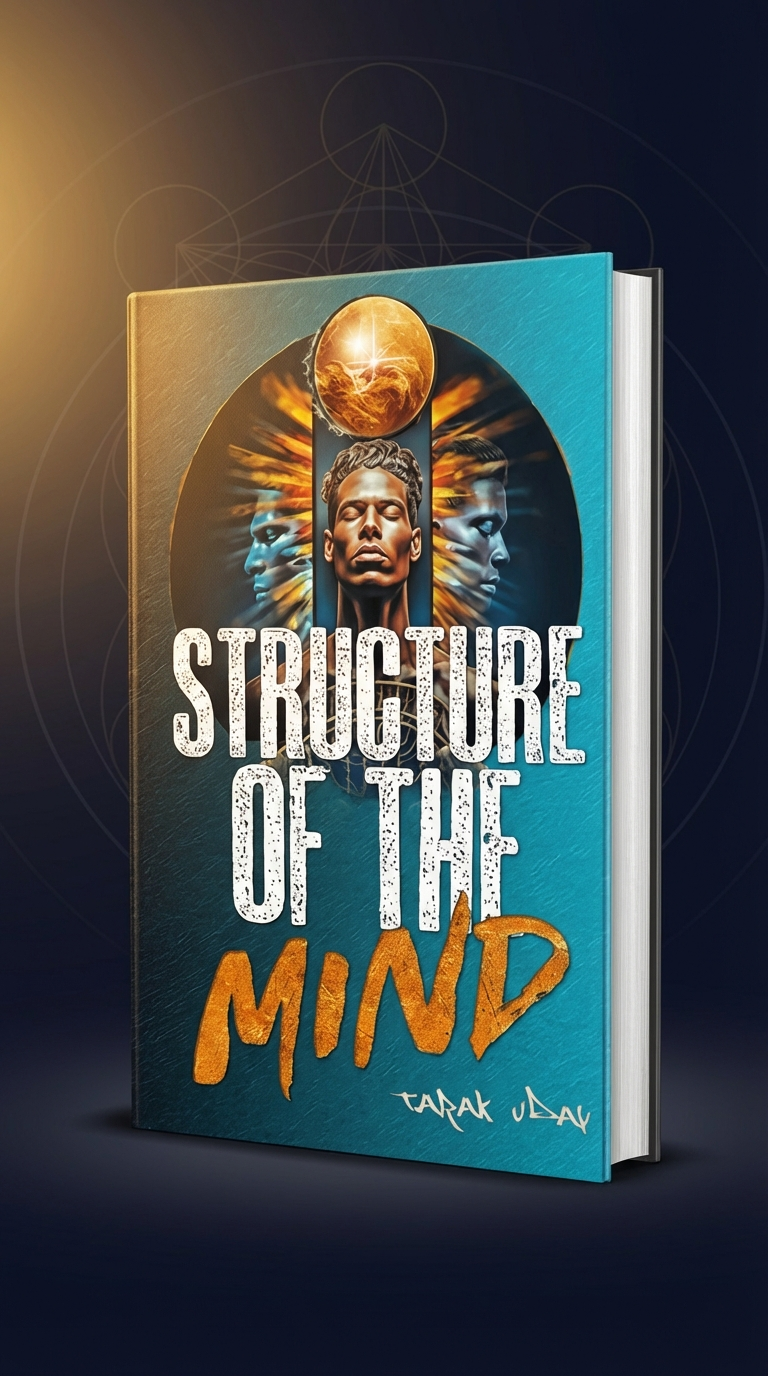
Understand Your Own Mind
"Structure of the Mind" reveals the three divisions of mind, seven levels of consciousness, and powers of mind that most people never learn to develop.