
Willpower Isn't a Feeling. It's Continuous Action Toward a Desire.
You've been waiting to feel strong enough to start. That's the mistake. Willpower isn't the feeling that comes before the action. It's the action, repeated, until the thing you want is real.
Willpower is continuous, unceasing action toward a desire until that desire is achieved. It isn't a feeling you wait for, and it isn't a tank that runs dry by Thursday afternoon. You know the moment I mean. You set the alarm for six, you mean it completely, and at 5:58 the meaning is gone and the snooze button wins. So you decide you just don't have much willpower. That's the wrong conclusion drawn from the right evidence. What ran out wasn't willpower. It was a feeling you'd mistaken for it. And the way you use your will doesn't only show up at 5:58. It shows up at night too, in the dream you had last night, if you can still remember it.
What Is Willpower, If It Isn't a Feeling?
Most of what you've been told about willpower treats it like a reserve. You've got a certain amount in the morning, every temptation you resist spends a little, and by evening you're running on fumes. So the advice is to protect the reserve and wait until you feel ready.
That picture puts willpower in the wrong place. It makes it something you have, when it's something you do. In the Universal Language of Mind, as Tarak Uday teaches it, will isn't measured by how strongly you feel about a goal. It's measured by what you keep doing about it. In Life is But a Dream, he puts it in one line, in capitals:
Every word is doing a job. Continuous means it doesn't start and stop with your mood. Unceasing means it doesn't end when it gets boring. Actions means it lives in what you do, not in what you promise yourself. Toward a desire means it has a direction. Until the ideal is achieved means it doesn't stop short of the finish line.
Notice what's missing. There's no feeling in it. The surge of determination you get on a Sunday night isn't willpower. It's a desire announcing itself. Willpower is what happens on Monday.
Why Does Your Willpower Keep Running Out?
So if willpower isn't a tank, why does it keep feeling empty? Because most of what people call willpower is something weaker wearing its name. Tarak draws the line between three strengths of desire. "A wish is a weak desire." An intention is stronger: a desire you act on just a few times to reach a specific goal. And then there's will. "Will power is evidence of a clear, strong desire."
Look at your own last attempt. The early mornings, the gym, the book you were going to finish. Did you act on it continuously? Or a few times, while the feeling was fresh, and then wait for the feeling to come back? That second pattern is an intention. It gets things started. It just isn't built to finish anything, because it depends on a feeling that was never going to stay.
The second reason is mechanical. In Structure of the Mind, Tarak writes: "Any thought or idea that does not align with your desired image is a distraction." A distraction isn't only your phone. It's the thought that you're not the kind of person who does this. It's the doubt that shows up on day four. Every time your attention goes there, you feed energy into that thought instead of the one you chose. You didn't run out of willpower. You spent it somewhere else.
How Does Willpower Actually Work in the Mind?
So let's look at the metaphysical mechanics, because once you see where willpower sits, building it stops being a mystery. The power of the conscious mind is reasoning, and reasoning runs on three keys: memory, attention and imagination. Concentration is your control over attention, your ability to place it where you choose. Willpower is what holds it there.
Describing the candle exercise in LUCID, Tarak writes: "We are commanding our attention to go where we want it to be, and then we are using our will power to hold it there." Concentration places. Will holds. Strong concentration with a weak will places your attention beautifully and loses it in eight seconds. A strong will with scattered attention holds hard onto the wrong thing.
And it matters beyond the habit you're building. Every thought seeks to manifest. The duty of the subconscious mind is to manifest the desires of the conscious mind, and the thoughts you hold are the ones it gets to work on. In Structure of the Mind, Tarak writes that "your will power is the deciding factor on how instantaneous the universe responds in that manifestation." The stronger your will, the more energy reaches the thought you chose, and the less leaks into the ones you didn't.
Your dreams show this too. In Life is But a Dream, Tarak gives the example of dreaming that a cousin throws rocks at your face. The dream isn't about your cousin. Every person in a dream is an aspect of you, and that image portrays a way you use your will power in unproductive ways. Your subconscious mind keeps a record of how you use your will whether you keep one or not. If you've been calling all this a lack of discipline, self-discipline is self-love reframes what you've actually been practising.
How Do You Build Willpower, Day by Day?
You build it the way you build any muscle: small reps, every day, measured.
The cleanest rep happens in front of a candle. Sit at a table with the flame at eye level, about an arm's length away. Set a timer for ten minutes, or five to start. Write the date and time on a sheet of paper. Light the candle, place your attention on the flame and hold it there. When you notice your attention has moved, to a sound, an itch, even the thought "am I doing this right?", make a tic mark without taking your eyes off the flame. Take a breath. Bring your attention back. When the timer goes off, count the tic marks, write the number down and circle it. The full walkthrough is in the candle concentration exercise.
Every tic mark is a moment your will let go. Every return to the flame is a rep. And because you wrote the number down, you're not guessing anymore.
The second rep happens at night. Before you sleep, write tomorrow's date in a notebook kept only for dreams, and under it, "I WILL REMEMBER MY DREAMS!!!" Say it aloud as you close your eyes. In the morning, write whatever you remember, even one line. Tarak calls this invoking the power of your will: you command your mind to do something it hasn't been doing, and you keep commanding until it does.
The third rep is the desire itself. Will needs a direction, and a vague one won't hold. Name the specific thing you want, then take one action toward it today. Not the whole thing. One action. If the desire is big, break it into steps the way the Top 10 Most Wanted list teaches, so there's always a next action you can take.
None of this feels like much. That's the point. Willpower isn't built in the dramatic moment. It's built on the fourth day, when the feeling's gone and you act anyway.
How Does CHITTA Accelerate Building Your Willpower?
So now you know what to do. Here's the gap: you've got no record of whether you're doing it. Willpower is continuous action, and you can't see continuity from inside your head. Without a record, "I'm getting better" is a feeling, and feelings are exactly what you've just learned not to trust.
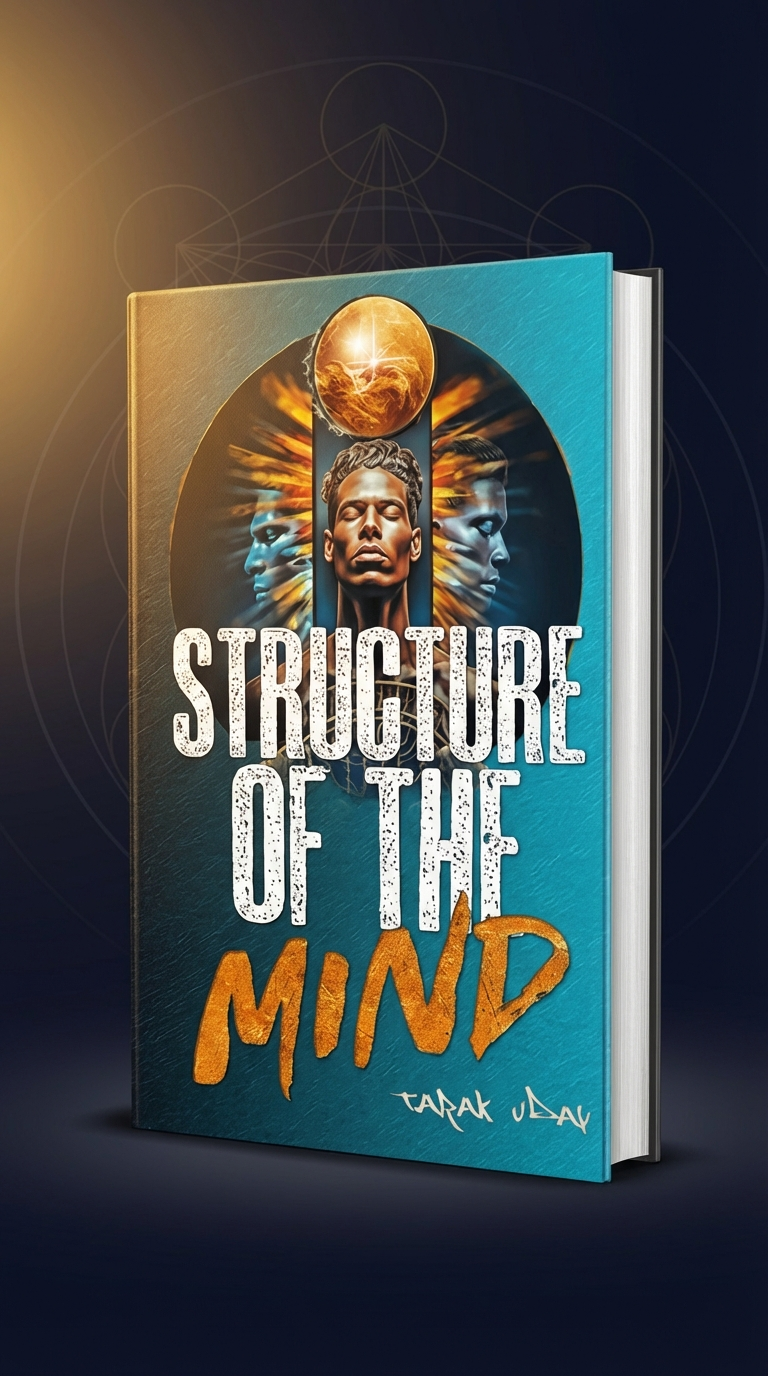
Tarak Uday takes this further in Structure of the Mind, his map of the three divisions of mind and the powers of attention, memory and imagination.
That's what the daily practice stack in CHITTA holds. The candle exercise logs your tic count each session, so the number you circled becomes a line you can watch over weeks. The Long Breath session keeps a dated record of the breath work that steadies you before you sit. The 5-day 5-step memory exercise trains the first key of reasoning; here's how it works. The visualization practice runs on your Top 10 Most Wanted list, where your desires get a direction. And the dream journal dates every entry, with the interpretation engine reading each one in the Universal Language of Mind, so what your subconscious mind shows you about your will doesn't vanish by breakfast.
Here's the acceleration. The tic count turns concentration from a vague sense into a number. The run of days turns willpower from a mood into a visible chain of continuous action. The dream record shows you where your will goes when you're not watching. You stop wondering whether you've got willpower and start reading how much of it you used today. The Structure of the Mind lessons are being turned on shortly, the natural next step once these practices are part of your day. To fit the pieces into one routine, read how to build a daily spiritual practice.
None of this does the reps for you. It makes sure none of them are wasted. So here's tonight's act: name one desire and take one action toward it before you sleep tonight. One. Then write it down, so tomorrow you can see you did it.
That's what willpower is. It doesn't tell you which of your desires is truly yours, and which one you've been carrying for someone else. The action you take tonight will start to.
What Else Do People Ask About Willpower?
Can you run out of willpower?
Not the way the tank picture suggests. Willpower is continuous action toward a desire, not a reserve. What feels like running out is energy redirected into distractions: doubt, an old belief, a thought that doesn't match what you want. Bring your attention back and the action continues.
How do you know your willpower is getting stronger?
Measure it instead of guessing. In the candle exercise you mark a tic every time your attention leaves the flame, then count and circle the total. Over weeks, that number is your evidence.
What does willpower have to do with dreams?
Every dream is about the dreamer, and dreams show how you use your will. Recording and decoding them shows you where your will is going.
Tarak Uday teaches the Universal Language of Mind and the Structure of the Mind, the framework behind CHITTA's practices. His books, including LUCID and Life is But a Dream, are on the CHITTA books page.

Frequently Asked Questions


Books by Tarak Uday
Understand Your Own Mind
"Structure of the Mind" reveals the three divisions of mind, seven levels of consciousness, and powers of mind that most people never learn to develop.

Learn The Language Your Dreams Speak
"Life Is But a Dream" teaches the Universal Language of Mind — how to read any dream symbol by what it is and what it does, so every dream becomes a message you can act on.

LUCID
You've tried every lucid dreaming technique. Most miss the root cause. LUCID reveals what they all skip.